
Table of Contents
The first spell of heavy rain can expose water tank problems that remained hidden through summer. A loose lid may allow dirty runoff to enter. A blocked overflow can send water across the terrace, while small cracks around the tank body or pipe joints can develop into steady leaks once rainfall becomes frequent. A few checks for the monsoon water tank preparation can prevent contaminated storage, water loss, and avoidable supply interruptions. Check the tank’s interior, cover, body, support, pipes, and surrounding drainage, then continue monitoring them through the season.
Key Takeaways
- Clean an average household tank once every six months.
- Secure the lid, vent mesh, overflow screen, and pipe fittings.
- Repair cracks, leaks, drainage problems, and support damage early.
- Continue inspections during the monsoon, then clean or test the water after suspected contamination.
Why Does the Monsoon Put Your Tank at Risk?
Learning how to prepare water tank for rainy season starts with checking where contamination and damage can begin. Rain can move terrace dust, leaves, bird droppings, insects, and other debris towards the tank. A loose lid, damaged vent screen, open overflow, or crack can give these contaminants a route into stored water.
Repeated rainfall can also leave water around the tank when terrace drains are blocked. Overflow discharged close to the base may weaken the surrounding surface over time. Damp conditions can keep fittings, seals, and nearby debris wet for longer. The lid, pipe connections, overflow, support base, and drainage area therefore need careful inspection before the first sustained rain.

Deep-Clean Your Tank Before the Rains
Water tank cleaning before monsoon should follow a regular maintenance schedule. For an average household, clean the tank once every six months. Where possible, schedule one of these cleanings shortly before the rainy season.
Before cleaning, switch off the pump, close the inlet, and store enough safe water for essential use. Then:
- Drain the tank completely.
- Remove sediment and loose debris.
- Scrub the internal walls and floor with a stiff brush.
- Use a cleaner approved for potable-water tanks.
- Rinse all surfaces thoroughly.
- Inspect the interior for cracks, stains, or damaged fittings.
- Refill only after the rinse water has been removed.
Disinfection may be needed after runoff entry, internal repairs, animal entry, or long disuse. Follow the instructions for an approved disinfectant or use a trained service provider. Avoid mixing household chemicals or estimating chlorine doses.
Large, underground, or difficult-to-enter tanks should be cleaned professionally. Confined tanks can contain unsafe air even when they appear empty.
Seal the Lid Properly
Good tank monsoon protection starts with a lid that closes evenly and stays secure during heavy rain and strong wind. Examine the complete lid assembly before the monsoon, including the cover, seal, threads, hinges, fasteners, and rim. The lid should remain at a level and secure in wet and windy conditions. Replace any lid that shifts easily or leaves part of the opening exposed.
Inspect for Cracks and Leaks Early
A complete inspection should cover the tank shell, base, neck, lid area, pipe connections, valves, gaskets, and supporting surface. Look for dripping, wet trails, bulges, tilt, or deformation. Plumbing faults can usually be repaired on site. Water tank leak repair before monsoon should be done by authorised professionals using approved materials.
| Area | Warning Sign | Action |
| Tank wall or base | Crack, bulge, damp ring | Stop filling and arrange assessment |
| Pipe connection | Drip or loose joint | Repair the fitting or replace the seal |
| Support platform | Cracks, tilt, pooling | Repair the base before refilling |
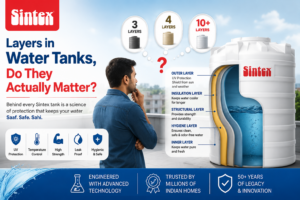
A plumber can usually repair valves, seals, and pipe joints. Damage to the tank body needs assessment by an authorised service team or qualified tank professional. Any repair material used inside the tank must be suitable for drinking-water contact. Tanks with Multi-layer construction, ribbed walls, and UV protection can support outdoor durability with regular inspections.
Clear Inlet, Outlet, and Overflow Lines
A blocked pipe can quickly become a water tank overflow monsoon problem. Open terraces allow leaves, dust, insects, and nesting debris to collect near pipe ends.
- Confirm that the inlet valve opens and closes properly.
- Inspect outlet joints and valves for slow drips.
- Remove visible debris from the overflow opening.
- Check that the overflow mesh remains intact.
- Route discharged water towards a suitable drain.
- Secure loose pipe brackets to reduce strain on the tank.
The overflow should face downward and remain clear so excess water can leave without pooling near the base. Call a plumber when the blockage sits inside the line. Avoid rods, corrosive cleaners, or high-pressure tools that may damage fittings or contaminate the system.
Ongoing Monsoon-Season Maintenance
Useful monsoon tank maintenance tips cover the entire rainy season. A clean tank can develop problems later if the lid shifts, mesh tears, a pipe loosens, or drainage becomes blocked.
| Timing | Checks |
| After heavy rain | Lid, overflow, terrace drains, standing water |
| After strong wind | Lid security, pipe supports, nearby branches |
| Every few weeks | Cracks, leaks, mesh, fittings, support base |
Pay attention to water at the tap. Unusual colour, smell, taste, visible sediment, or insects need investigation. When floodwater, dirty runoff, animals, or storm debris enter the tank, stop using the water for drinking and cooking until the system has been inspected, cleaned, and made safe.
Post-Monsoon Follow-Up
The end of the rainy season is a good time to check the lid, vent mesh, overflow screen, pipe joints, tank walls, support platform, and nearby drainage. Look inside for sediment, slime, discolouration, or trapped debris where safe access is available.
Clean the tank if its six-month cleaning date is due. Arrange earlier cleaning after:
- Runoff or floodwater entry
- Animal or insect entry
- A damaged or open lid
- Internal repair work
- Unusual colour, smell, or taste
- Visible sediment or slime
- A local water-quality warning
Clear water can still contain microbial contamination. Testing is useful after suspected contamination, repeated household illness, persistent water-quality changes, or an official advisory. Use an accredited laboratory and assess the result against recognised drinking-water requirements.
Also, Read: Safeguarding Every Drop

Choosing a Monsoon-Ready Tank
A monsoon-ready tank should support safe storage, outdoor durability, inspection, and cleaning.
| Feature | Practical Benefit |
| Secure threaded lid | Reduces entry of rainwater, debris, and insects |
| Food-grade material | Supports safe water storage |
| UV-protected outer layer | Helps with outdoor exposure |
| Ribbed or reinforced body | Supports shape and pressure distribution |
| Accessible opening | Makes inspection and cleaning easier |
Choose capacity according to household demand and refill frequency. An oversized tank can leave water stored for longer, which reduces turnover.
Common Mistakes to Avoid
| Common Belief | Correction |
| One pre-monsoon clean covers the year | Keep a six-month cleaning cycle and inspect during the rains |
| A closed lid is enough | Check the vent, overflow, pipes, cracks, and drainage |
| The vent can be blocked | Keep it functional and protect it with mesh |
| Overflow only carries water out | Open lines can also admit insects and debris |
| Antimicrobial material removes cleaning needs | Sediment and external contamination still require maintenance |
| A small leak can wait | Rain can increase pooling, erosion, and water loss |
| Clear water is always safe | Microbial contamination may not change appearance |
| Any sealant can repair the tank | Use materials approved for potable-water contact |
Correcting these mistakes reduces preventable hygiene and maintenance gaps during long periods of rain.
Conclusion
Monsoon preparation works best as part of a regular maintenance cycle. Clean the tank every six months, secure the lid, protect the vent and overflow, clear drainage, and repair leaks before rainfall becomes frequent.
Continue inspecting the tank through the season, then review cleanliness and water quality once the rains end. These practical steps help protect stored water, reduce avoidable damage, and keep the household supply dependable.
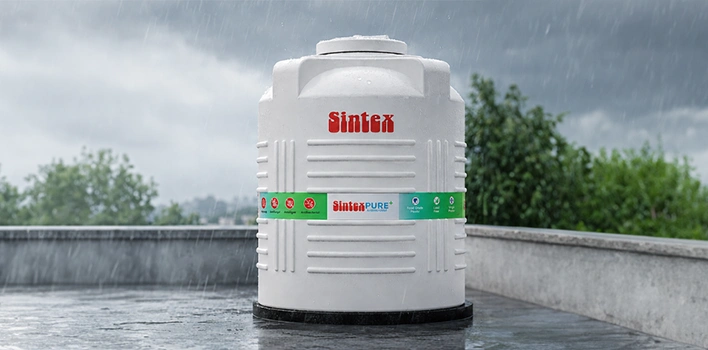
Of course, routine upkeep is much easier when your storage is built to withstand the elements from day one. For long-term peace of mind, tanks like the Sintex Pure Plus, available from 500 to 2,000 litres, are engineered to support hygiene and durability. It is built with food-grade virgin plastic, triple-layer construction, and antimicrobial technology, alongside a UV-protected threaded lid, multi-ribbed exterior, and a 20-year warranty. It provides the built-in protection needed to keep your water safe through every season.
Also, Read: Why Water Tank Lid Matters?
Use a rainy season water tank checklist to review the cleaning date, lid, tank body, support base, fittings, pipe joints, inlet, outlet, overflow, and drainage. These checks explain how to prepare water tank for rainy season conditions before sustained rainfall begins.
Water tank cleaning before monsoon should follow a six-month cleaning cycle for an average household. Schedule one of the two annual cleans shortly before the rains where possible. Clean earlier after runoff entry, visible sediment, unusual odour, lid damage, poor source water, or suspected contamination.
Useful monsoon tank maintenance tips include securing the lid, checking vent and overflow mesh, clearing terrace drains, and inspecting fittings after heavy rain. Watch for cracks, leaks, standing water, sediment, and changes in colour, smell, or taste. Arrange repairs or cleaning promptly when problems appear.
Effective tank cover monsoon protection starts with a lid that closes evenly and remains secure in strong wind. Clean the rim and inspect the threads, hinges, fasteners, seals, cracks, and warping. Replace damaged covers and avoid temporary sheets that can collect dirty rainwater.
A maintained, sealed tank can remain in use during heavy rain when there is no sign of runoff entry or water-quality change. As part of monsoon water tank preparation, stop drinking or cooking with the water after floodwater, animals, debris, or dirty runoff enter.
Routine rainfall does not automatically require disinfection. It may be needed after contamination, internal repairs, long disuse, animal entry, floodwater ingress, or a health advisory. Complete water tank cleaning before monsoon disinfection, remove sediment, and follow the instructions for an approved potable-water disinfectant.
Water tank leak repair before monsoon begins by closing the inlet, switching off the pump, and lowering the water level. Identify whether the leak comes from a valve, fitting, gasket, pipe joint, or tank body. Use a plumber for fittings and authorised service for structural damage.