
How Sunlight and Temperature Affect Your Water Tank Over Time
Share

Table of Contents
Usually, it goes like this. For whatever reason (leaks, cracks, poor functioning, etc), you swap out the old water tank for a new one. The professional brings their toolbox, a pump compatibility test is carried out, and the purchase feels satisfactory.
Anyone who has ever made the mistake of buying a water tank without accounting for rising global temperatures understands how critically sunlight affects water tanks. You end up hosting a natural geyser on your roof or reservoir. So, while everyone huddles over solutions, we focus on symptoms and early prep. You know how cautionary tales go.
Key Takeaways
- Rising temperatures in India directly impact the water quality within tanks
- Reduction in chlorine impacts water taste as well as its natural chemical safeguard
- In time, bacteria and algae can form biofilms and multiply on the surface
- Prevention involves using food-grade water tanks and frequent maintenance
Why Sun Exposure Matters More the Longer a Tank Is in Use
Heatwaves aren’t uncommon in India. In fact, unprecedented temperature rises have become commonplace over the years. A report by AQI published in April 2026 demonstrates how the world’s hottest cities are located within India’s geographical border.
But how does sun exposure affect water tanks or the water in our homes?
In simple terms, our food chain experiences gradual shifts every year. This means that water, the lifeline for human survival, food production, and sustenance, also experiences shifts. Water storage systems, such as tanks and reservoirs, are a big part of that equation.
Prolonged exposure to sunlight and high temperatures can degrade the taste, smell, and colour of water, while also impacting the structural integrity of the tank. Changes users typically notice include the following:
- Regular sun exposure heats water, reducing chlorine and chloramine content, which kill germs and make water fit for consumption
- Continuous exposure to heat may favour the formation of a biofilm on the top of wet surfaces, such as the walls within the tank. In such a case, algal blooms crop up and contaminate the water.
- High water temperatures due to heatwaves may increase reproduction rates in algae and bacteria. Visible green slime and algal colonies attach to the tank’s walls and float within the water.
- Excess sunlight exposure can also break down plastic storage tanks, degrade polymer chains, and lead to brittleness and fading.
- Gaps and cracks on the tank surface of aboveground tanks can cause fresh water to leak out, too.
What You Won’t Notice in the First Year or Two
The first 2-3 years are the golden era. High-quality plastic tanks made from UV-resistant material can handle hours of heat exposure and warming temperatures during this period. Forget structural instability; no visible changes catch your attention during this period.
The chemical shifts, an effect of heat on plastic water tanks, however, are already underway.
- Consistent Warm Water: The longer the water in the tank remains exposed to sunlight, the faster the molecular changes occur. Whether you put your hand under the kitchen faucet, pour water for laundry, or use the backyard tap for gardening, warm water gushes out of all three.
- Hints of Earthy Odour: The occasional musty smell when you use the plumbing for household needs? That’s another sign of the microscopic changes altering the water within your tank. Sun exposure and consistently warm temperatures break down organic matter in water, giving it a stale smell.
- Absence of Chlorine-esque Flavours: When water begins to lack the fresh, medicinal tang, you’ll think it’s probably because the municipal authorities are being tight-fisted about their chlorine. But an absence of this bleach-like flavour means you’re consuming sun-damaged water.
How Heat Changes Water Quality Over Time
Let’s start with the basics. Why does tank water get hot in the first place? Surely the material it is made of must possess prevention properties.
Be that as it may, exposed plumbing and warm air circulating within installed tanks are major contributors. Knowing how heat affects water storage quality, therefore, has a direct bearing on your family’s health and your long-term expenses. High water temperatures in pipelines, reservoirs, and plastic tanks have been observed to:
- Can cause a plastic tank to soften and leach chemicals into the water
- Lead to illnesses due to microbial and algae growth
- May remove disinfectants and chemical protective barriers from municipal water
Health Implications that Arise Due to Your Water Tank
Warm water within plastic or non-food-grade tanks may support the growth of bacteria and release toxic chemicals into the water due to excess heat exposure. What follows isn’t just a rigorous tank cleaning spree but also lengthy medical bills.
1.Digestive Illnesses
Sunlight and heat can impact storage conditions within water tanks. In certain cases, this may lead to conditions where algae multiply and the green slime flows through your household plumbing, directly into your utensils, washrooms, and gardens. A cloudy appearance is the first visible sign, followed by digestive discomfort and illnesses such as diarrhoea and food poisoning.
3.Bacterial Infections
Warm water is the dream breeding ground for bacteria. They multiply within the water tank and cause a drastic drop in sanitation. Frequent cleaning of your tanks, therefore, brings more than one benefit. Any serious disease-causing pathogen that may have flowed into your tank or persisted within your storage tank’s water gets drained out. Only safe drinking water stands a sip away.
Comparing Water Experience in Ordinary vs Food Grade Water Tanks
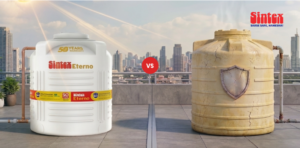
One common water tank sun protection tip to keep your storage system free of pathogens, regardless of sun exposure, is to purchase higher-quality tanks. Food-grade tanks are typically made from 100% virgin plastic to ensure safe storage. They may also be built for UV protection. These are compared with ordinary tanks to guide a health-conscious purchase.
| Feature | Ordinary Water Tanks | Food-Grade Water Tanks |
| Description | Are typically made from recycled plastic that can leach toxic chemicals and increase water contamination risks | Are commonly appreciated for high safety standards and low contamination risks |
| Temperature Stability | May expand and contract based on sun exposure and shifts in temperature | May come with advanced structural stability and thermal shifts |
| Chemical Leaching | Organic and plastic matter may easily break down and contaminate water | Are usually built to withstand high temperatures and minimise chemical leaching |
| Taste and Odour | Odour and taste can grow pungent and stale, respectively, with increased sun exposure | Are usually built to preserve the odour and the taste of water |
| Algae Growth | Can allow for easy sunlight penetration and increases algal growth | Is typically engineered to block out sunlight and prevent algal blooms |
| Cleaning & Maintenance | Frequent inspection and cleaning are indispensable | Is often designed to degrade more slowly than ordinary tanks and requires less maintenance |
Quick Reference: What to Watch For Year by Year
Water quality within your storage tank is your health asset. Monitor it accordingly.
Year 1
- When water temperature spikes, make purification part of the routine
- Conduct water safety tests for chlorine content to prevent a health emergency
- Remember, heat is the tip of the iceberg labelled “contamination”
Year 2
- Stale or metallic tastes are red flags that need addressing
- Absence of chlorine-like flavours points toward erosion of chemical protections
- Biofilm or a mild slimy cover on faucets indicates bacterial growth
Year 3
- Green slime or visible sediments require professional intervention
- Digestive issues or respiratory allergies may crop up
- Visible cracks or tank discolouration may lead to contamination through chemical toxins
For a detailed dive into how tank colour fits into the conversation, read up.
Common Misconceptions About Heat and Water Tanks
Still unsure how long before water tanks show heat damage in the form of deteriorating water quality? We’ll bust the common myths for a clearer picture.
Myth 1: Heat damage happens overnight.
Heatwaves, rising temperatures, and a warming world all contribute to changes in the content of disinfectants, microbes, dissolved compounds, and taste or odour in the water within your tank. Our rising carbon footprint has to be factored in as an indirect cause, too.
Myth 2: Only overhead tanks get affected.
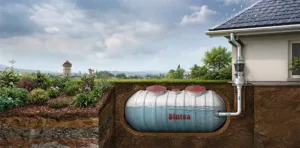
While water in overhead tanks is likely to become sun-damaged sooner than in underground tanks, the latter isn’t immune. Heat from the soil and atmosphere works from both directions and impacts water quality.
Myth 3: Hot water during summers is normal.
It would be normal if warm water moving through your plumbing system were an occasional scenario. However, alarming summer temperatures in India make it a routine occurrence during the warmer months. Water quality, therefore, requires special attention.
Conclusion
Tanks are installed with great care and thought. It’s not an annual investment, which is why the matter requires a big-picture view. Considering how water in your overhead and underground tanks is influenced by regional geography is fundamental. Health and maintenance savings greet you on the other side, while safe water itself brings peace of mind.
Sintex offers a range of UV-stabilised water tanks that meet your water standards without breaking the bank. Understand why heat affect
Stored water in your overhead or underground tanks may undergo chemical and organic shifts, directly or indirectly, due to excessive sun exposure. This creates a favourable environment for pathogens and algae, permanently altering the water quality within the tank.
Yes. Fading colour can sometimes cause chemicals and paints to bleach into the tank. It's important to remember that the quality of the plastic factors in here. Poor quality tanks may release toxins into the water. A replacement is in order when you begin to notice these changes, as the water becomes unfit for consumption or use.
Contamination depends on storage conditions. Noticeable signs include slimy residue or a significantly altered taste. The change doesn’t happen overnight, nor does it occur within the first summer of your water tank's life. In contrast, a well-designed tank made from safe food-grade plastic may prevent such contamination for a long time.
No. Warm water flowing into your home from the tank isn't a summer-only problem. The chemical alterations are permanent unless you get your tank cleaned. Bacteria, algae, and toxins that breed or are released into the water do carry over, rendering the tank water unfit for use.
Covering or shading a tank serves as an additional guardrail to prevent the water in the tank from warming rapidly. However, this may be counterproductive, depending on the type of material used to build the shade.