


Residential
Plumbing Solutions
From kitchen to bathroom and drainage, Sintex brings 50 years of plumbing expertise to every corner of your home.
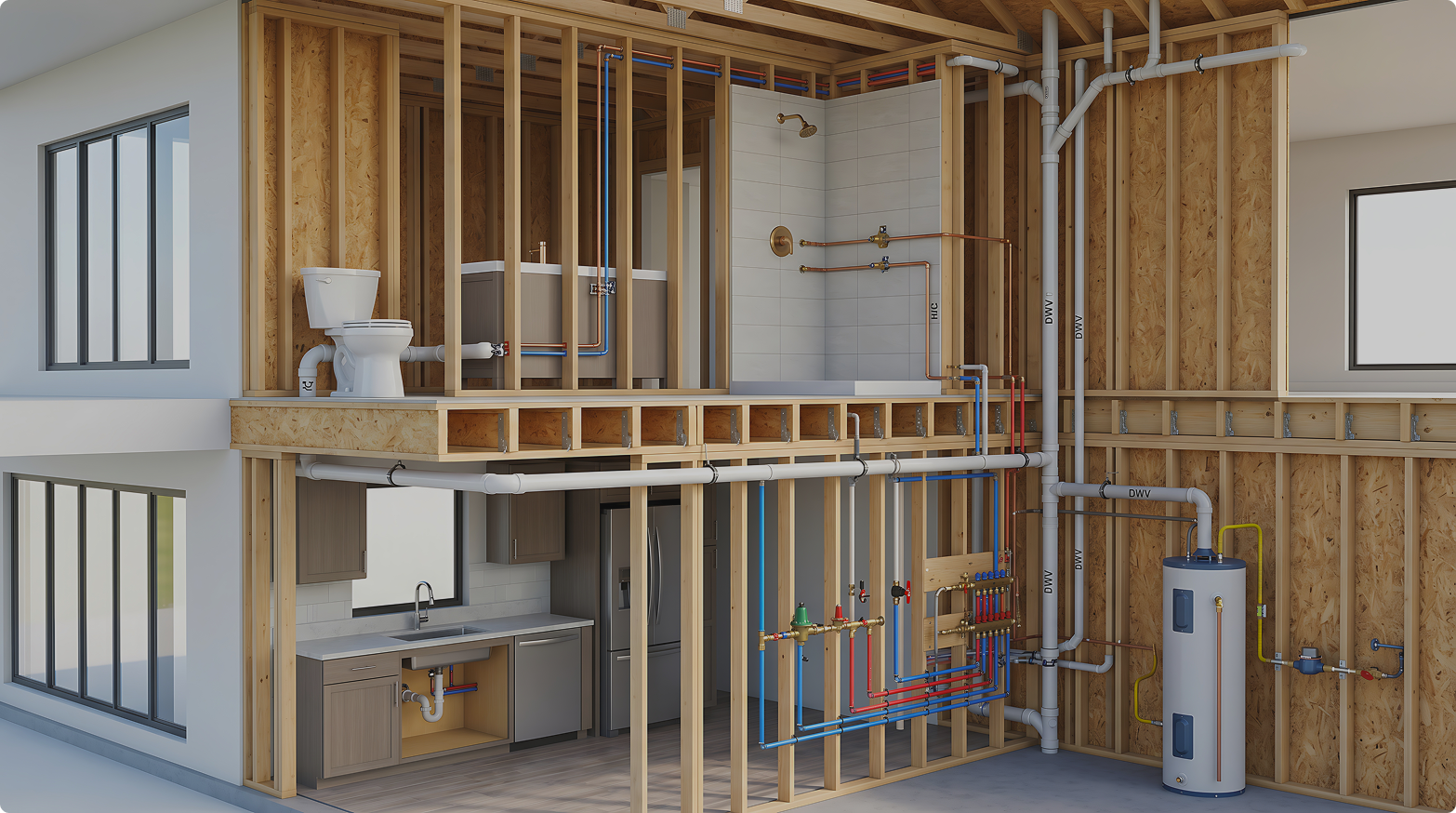
Every Home Pipe, Mapped Room by Room
See exactly where CPVC, UPVC, and SWR pipes fit into a real home from the kitchen
sink line to the bathroom hot water riser to the drainage stack. Use the
tabs below to explore each pipe type in context.
 View Product
Compare Sintex Home Pipes
Features

World 1st CPVC Pipes with Antimicrobial Benefits

ISI Compliant Fittings

Brass Fittings with Extra Threads

Brass Fittings with Tapered Threads

Brass Fittings with 2 Rubber O-Rings


Other Brands

Our Range of Residential Plumbing Solutions

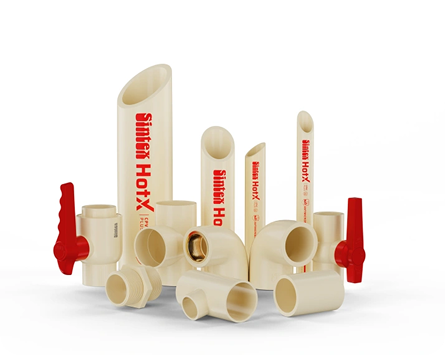
Sintex HotX CPVC Plus Pipes

 Worlds First Antimicrobial CPVC PipeHighest Quality of Brass Fittings
Why Your Home Deserves the Right Plumbing Pipes
Every part of a home puts different demands on its plumbing. Kitchen lines deal with constant use and grease. Bathrooms need pipes that handle both hot and cold water without weakening over time. Drainage lines have to resist blockage, corrosion, and rodent damage year after year. Using the wrong pipe for the wrong job is one of the most common and most preventable causes of leaks, cracked fittings, and early replacement in Indian homes.
A well-planned home doesn't run on one pipe type for every line, it uses the right material, CPVC, UPVC, or SWR, for the right application, so the system holds up under everyday household use.
Where Sintex Pipes Fit in Your Home
Kitchen: Kitchen plumbing sees frequent use and constant exposure to grease and hot water. CPVC handles the hot water line under the sink; UPVC handles the cold water supply and RO/purifier connections reliably.
Bathroom: A bathroom's plumbing typically carries both hot and cold lines CPVC for the geyser/shower side, UPVC for the cold water and washbasin side along with concealed or exposed fittings depending on your bathroom's layout.
Toilet & drainage: Toilet and waste lines need pipes that resist blockage, rodents, and corrosion over years of use. This is exactly where SWR (soil, waste & rainwater) pipes are purpose-built for the job.
Overhead tank connection: The line from your overhead tank down through the house's supply network needs pipes that hold up under sustained water pressure without weakening at the joints.
Balcony / utility / outdoor drainage: Outdoor-facing lines face sun, rain, and temperature swings, so UV-resistant, weather-durable pipes matter here as much as they do indoors.
Why Choose Sintex for Home Plumbing
Homeowners need more than a pipe that just carries water; they need one that's easy to install, safe for daily use, and built to last. Sintex home pipes are designed for exactly that: antimicrobial protection on hot water lines, corrosion resistance for long-term durability, and a solvent-cement installation process that doesn't need specialised tools or welding.
Backed by over 50 years of plastics manufacturing and 7 manufacturing plants across India, Sintex pipes are installed in millions of Indian homes built for a system that simply works, year after year.
How to Choose the Right Pipe for Your Home
- Hot water lines (bathroom geysers, kitchen hot taps): Choose CPVC (Sintex HotX CPVC Plus) — built to handle sustained heat without weakening.
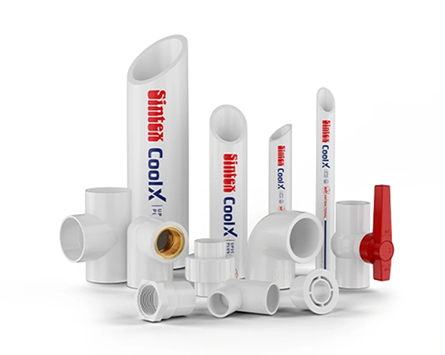
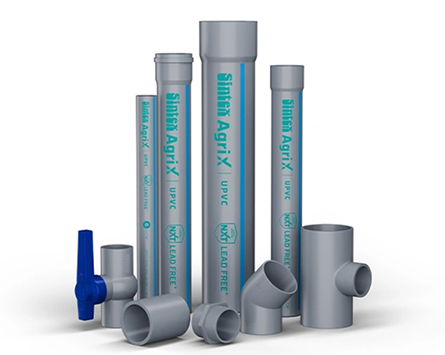
- Cold water supply (kitchen, bathroom, overhead tank line): Choose UPVC (Sintex CoolX) — safe for drinking water, easy to install, corrosion-resistant.
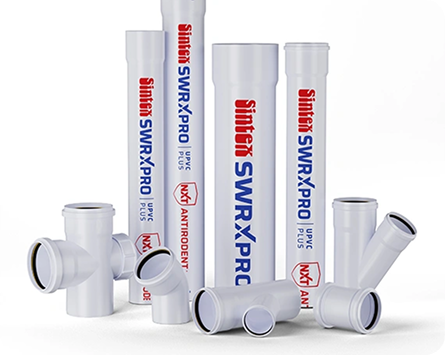
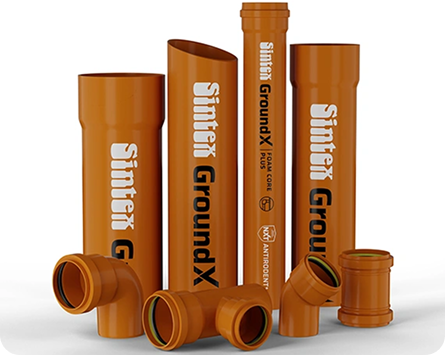
- Drainage and waste lines (toilet, kitchen sink outflow, rainwater): Choose SWR (Sintex SWRX UPVC Plus) — built specifically for soil, waste, and rainwater flow.
This is the same decision framework to keep in mind whether you're doing a full home renovation or a single-room fix. Use the Plumbing Value Calculator above to estimate your requirement before you buy.
Answers to commonly asked questions
For a full home, plan all three lines together — CPVC for hot water, UPVC for cold water, and SWRfor drainage, so the system is consistent room to room. For a single-room fix (say, just the bathroom), match the pipe to that room's existing setup rather than mixing materials on the same line.
Yes. Bathrooms usually run both hot (CPVC) and cold (UPVC) lines because of geysers and showers. Kitchens are mostly cold water and drainage, so UPVC for the supply line and SWR for the sink outflow is the standard setup.
Start with the room and the job: a kitchen sink connection needs UPVC supply fittings plus an SWR outlet; a bathroom geyser line needs CPVCfittings rated for hot water. If you're unsure, a plumber or our Plumbing Value Calculator can map this out room by room before you buy.
Yes. Pipe diameter, scale buildup inside older or corroded pipes, and poorly matched fittings can all reduce water pressure. Corrosion-resistant pipes with correctly sized fittings help maintain consistent pressure throughout the house.
The geyser and shower line should run on CPVC since they carry hot water. The washbasin cold line runs on UPVC. Both feed into an SWR line for drainage.
The kitchen cold water supply, including the line feeding an RO or water purifier, typically runs on UPVC. The sink's waste outflow connects to an SWR drainage line.
The main supply line from the overhead tank is usually UPVC, sized to withstand sustained water pressure as it branches out to the kitchen and bathrooms.
Yes. Lead-free, non-toxic UPVC pipes like Sintex CoolX are manufactured specifically for potable (drinking) water use, and CPVC pipes used for hot water lines carry the same food-grade safety standard.
Look for a brand with a long manufacturing track record, quality certifications, and a wide service network. Sintex, backed by 50+ years of plastics manufacturing and 7 plants across India, is one of the most widely trusted names in home plumbing.
The cost depends on your home's size, the total pipe run, and the fittings required for each room. Use the Plumbing Value Calculator above to get a project-specific estimate instead of relying on a generic per-foot price.