
Why is Water Tank Hygiene Important for Health?
Share
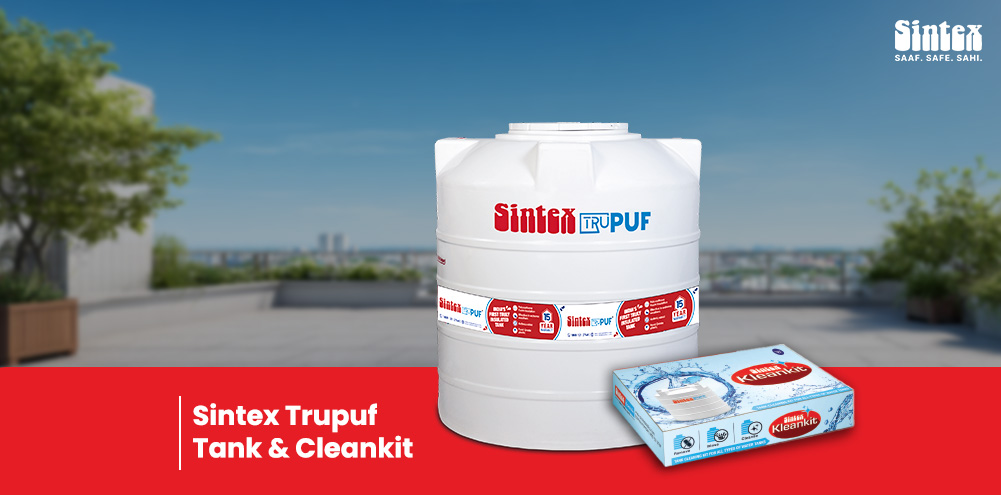
Table of Contents
When was the last time you thought about the inside of your water tank? For many, it’s not something that comes to mind often, but it should. But the thing is, your water tank may be silently harbouring harmful bacteria, algae, or even viruses that can harm your family’s health.
When drinking, cooking, or even bathing, the water you use daily is directly supplied by those water storage tanks. And when your tanks are not clean, you risk your health.
In countries like India, where it is very hot and dusty, underground water tanks and overhead tanks are particularly susceptible. Therefore, septic system cleaning and regular tank maintenance are good and necessary habits. This makes septic system cleaning and proper tank hygiene a good and essential habit.
The Hidden Dangers of Dirty Tanks
Even if your water appears clear, it may contain harmful pathogens if the underground storage tank hasn’t been properly maintained. Let’s break down the health risks:
- Stagnant, dirty water could generate bacteria such as E. coli, Salmonella, and Vibrio, which can cause typhoid, diarrhea, and cholera.
- Algae and fungi may grow as slimy layers in light-exposed or improperly closed tanks. The result is that this biofilm acts as food for microbes.
- Dust and sediments often settle on the bottom, further contaminating the environment. Mineral deposits are another concern, especially in areas where hard water is commonly used.
- In the worst cases, septic tank cleaning becomes urgent if backflow or seepage affects drinking water sources.
And it’s not just about health. Unclean tanks may shorten the life of your plumbing, rust connections, and cause bad smells and blockages. This is why it’s important to select the right water storage tanks and maintain them properly.
What Makes Sintex Tanks a Smarter, Safer Choice?
Now, here’s where Sintex steps in with intelligent solutions. They have designed tanks that don’t just store water but actively protect it. Let’s look at two of their standout products.
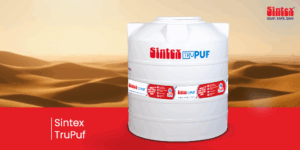
1) Sintex Trupuf Water Tank
This tank is engineered to handle extreme weather and safeguard water from contaminants. Unlike traditional steel tanks, Trupuf comes with
- Active Silver Technology that provides 4P protection—anti-virus, anti-bacteria, anti-fungus, and anti-algae.
- A smart lid design with Hexa bolts and UV protection, ensuring airtight sealing to prevent biofilm formation.
- 100% food-grade virgin plastic and PUF insulation that maintains internal water temperature and prevents microbial growth.
2) Sintex Underground Water Tank Sump
Ideal for basements or industrial setups, this Sintex underground water tank is a beast when it comes to durability and hygiene. It’s designed with:
- A one-piece moulded structure that has no joints or seams where bacteria can hide.
- An SMC lid that seals tightly and blocks any external contaminants.
- Good resistance to root penetration, soil pressure, and moisture.
- It is made of food-grade plastic and ensures the stored water is clean and safe.
These tanks are a durable and prudent investment in community and individual health.
Signs You Need a Water Tank Clean-Up
Now that you’ve chosen the right Sintex tank, it’s time for a clean-up. So, how do you know it’s time to consider septic tank cleaning or your regular underground water tanks’ maintenance? Watch out for these signs:
- Water has a foul smell or an unusual taste
- Sediment is visible at the bottom of storage containers
- Algae formation near tank openings or walls
- A slimy film on the inner surface of the tank
- Unexplained illness or recurring stomach issues in your household
If you notice any of these, it’s time to act—either clean your tank using a trusted water tank cleaning kit or call a professional.
How to Maintain Your Tank (Checklist Inside)
Here’s a quick reference guide for keeping your underground water storage tanks healthy:
| Maintenance Step | Frequency | What to Do |
| Inspect for algae or biofilm | Monthly | Open the lid and check the inside walls |
| Use a water tank cleaning kit | Every 3–6 months | Scrub and flush with safe cleaning solutions |
| Check the lid and ventilation | Bi-monthly | Make sure it seals properly and no insects or dust are getting inside |
| Professional tank cleaning | Once a year | Especially for septic system cleaning and underground storage tanks |
| Use clean piping and fittings | During plumbing changes | Always match with hygienic, food-grade pipe materials |
Final Thoughts
Your water tank not only serves as a storage solution, but it is also part of your health infrastructure. Disregarding it means inviting diseases, plumbing nightmares, and expensive repair jobs. The solution? Select tanks manufactured with your hygiene in mind, such as the Sintex underground water tank or the Trupuf range.
Their tanks are designed with health and hygiene in mind, featuring anti-microbial protection, secure sealing, and food-grade materials. This ensures cleaner water storage and added safety for your family.
And if it’s been a while since you cleaned your underground water tanks, consider this your reminder. And if you’re looking for an upgrade, choose tanks that are as serious about hygiene as you are.
Also, read our blog on: Keeping water tanks clean & safe, the Sintex way ensuring peace of mind
FAQ’s
Yes, unclean tanks can harbour bacteria, algae, and harmful contaminants that cause waterborne diseases.
Ideally, every 6 months, or sooner if the tank is exposed to external elements.
They use food-grade plastic, anti-microbial layers, and airtight lids to block contamination.
Drain the tank first, then scrub the inner walls and floor with a stiff brush to clear out any sediment or algae. Once that is done, rinse it with a mild chlorine solution and let it sit for about 20 to 30 minutes before flushing it out. Two to three rinse cycles with clean water should do the job. A water tank cleaning kit makes this whole process a lot less messy. Good water tank hygiene at home really does not need to be complicated, it just needs to happen regularly.
Drain the tank, scrub the interior thoroughly, disinfect with a chlorine or approved cleaning solution, and rinse well before refilling. That is the core process. The disinfection step is where most people cut corners, and that is exactly where water contamination causes like bacteria and biofilm take hold. Checking the lid seal at the end is also worth doing since a loose lid is one of the most overlooked parts of water tank maintenance. The importance of water tank cleaning lies in doing all these steps, not just some of them.
Scrubbing with a cleaning kit combined with chlorination covers most home situations well. For tanks that have been neglected for a while, professional jet cleaning is a better bet since it gets into spots you simply cannot reach manually. UV disinfection is a good chemical-free option if that matters to you. Beyond the water tank cleaning methods themselves, the tank you own plays a role too. Sintex tanks with Active Silver Technology, for instance, actively slow down bacterial and algae growth, which means better water tank hygiene between cleans.
Professional water tank cleaning for a standard home tank usually falls between ₹500 and ₹1,500. Underground or larger tanks can cost anywhere from ₹3,000 to ₹5,000 depending on where you live and the size of the tank. Metro cities generally charge more. If budget is a concern, a DIY water tank cleaning kit costs around ₹300 to ₹800 and works across multiple uses. Either way, it is a small expense when you consider what poor water tank maintenance can cost you in medical bills down the line.
Twice a year is the standard for most homes, so once every six months. But if your area has hard water or heavy dust, quarterly cleaning makes more sense. Underground tanks need at least one professional clean annually. One of the biggest reasons people overlook water tank hygiene is that the water still looks fine, but water contamination causes like bacteria and sediment build up long before there are visible signs. Sticking to a water tank maintenance schedule is really the only way to stay ahead of it.
Categories
Year
Related blogs