
Lead-Free Pipes: Why It Matters and How to Check Before You Buy
Share
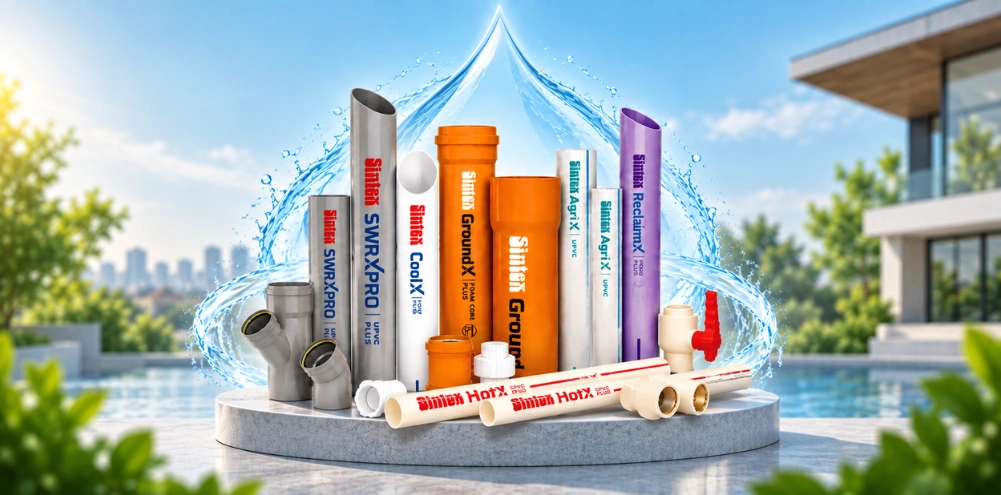
Table of Contents
Most of us judge a pipe by whether it’s strong and whether it fits the budget. What we rarely ask is what the pipe itself might be adding to the water. It’s a fair question, because every drop that reaches your tap has passed through that pipe and its fittings first. If the material isn’t safe for drinking water, the water it delivers may not be either.
One of the biggest concerns is lead contamination in drinking water systems. Where a pipe or its joints contain lead, tiny amounts can dissolve into the water over time and lead does harm even at very low levels. That’s why “lead-free” has shifted from a nice extra to something worth checking for and why more brands now offer lead-free pipes as standard.
Here’s the part that trips buyers up, though. Not every pipe is built for the same use. One made for drainage isn’t meant for drinking water and a “lead-free” claim printed on the wrapper doesn’t prove a pipe is certified for potable supply. So a little know-how goes a long way before you pay. This guide covers why lead-free really matters and how to tell a genuine drinking-water pipe from one that only looks the part, right down to the certification to look for.
Key Takeaways
- Lead free pipes are designed for potable water systems.
- IS 4985:2021 specifies the requirements for UPVC pipes used for drinking water.
- Modern lead free pipes use calcium-zinc stabilisers during manufacturing.
- Always check the BIS mark and product markings before purchasing.
Why Does Lead in Pipes Matter for Your Health?
If a pipe is going to carry drinking water, it should be made for that purpose. That may sound obvious, but let us understand it in a bit of detail. Not every pipe you see in the market is meant for drinking water. Some are designed for irrigation. Others are used for drainage or industrial applications. That’s why checking the product application before buying is always a good idea.
Lead free pipes are manufactured for potable water systems and follow the relevant quality requirements. Their purpose is to support water supply applications where the quality of water is important. For homeowners, this simply means choosing a product that’s intended for everyday drinking water use.
For builders and contractors, it means selecting materials that match the application instead of relying only on price or availability. Before buying, keep these points in mind:
- Check whether the pipe is meant for potable water.
- Look for the applicable Indian Standard.
- Buy products from trusted manufacturers.
- Read the markings printed on the pipe.
These small checks do not take much time, but they can help you make a better purchase.
How to Check If Pipe Is Lead free and BIS Certified
Standing in a shop, most pipes can look exactly the same. The difference is usually in the details printed on them. That is why it is always worth taking a minute to check the product before buying, especially if it’s meant for drinking water. Here are a few things you should look for.
1.Check for BIS Certified Lead Free Pipes
Start with the BIS certification mark. It tells you that the product has been manufactured according to the applicable Indian Standard. For drinking water applications, this is one of the first things you should check. Wondering how to check pipe is BIS certified? Look for the ISI mark and a unique 7-digit CML/license number printed directly on the pipe. If you do not see the marking or you are unsure about it, ask the dealer before making a purchase.
3.Read What is Printed on the Pipe
Good-quality pipes carry important information on their surface. Take a quick look before you buy. You should generally find details like the following:
- Brand or manufacturer’s name
- Applicable Indian Standard
- Pipe size
- Pressure rating
- Batch or production details
It only takes a few seconds, but those markings can tell you a lot about the product.
3.Look for IS 4985:2021
If you are buying a UPVC pipe for drinking water, check whether it mentions IS 4985:2021. This standard applies to UPVC pipes used for potable water applications and specifies the requirements they should meet. One simple habit like checking the standard can help you choose the right product with more confidence.
4.Buy from a Trusted Brand
Price matters. But it should not be the only thing you compare. Buying from a recognised manufacturer usually makes things easier because product information, technical details and certifications are readily available. If you have any doubts, ask for the product catalogue or specification sheet.
Sintex, for example, publishes full product information, technical sheets and certification details for its potable-water pipes, so you can check a pipe against the standard before you buy.
Also, Read: How to Identify Quality PVC Pipes
Why Choosing the Right Pipe Matters in the Long Run
Pipes are one of those things you install and expect to forget about. Nobody wants to replace a plumbing system after just a few years because the wrong product was used. That is why choosing a pipe that is designed for drinking water makes practical sense. It gives you confidence that the product is intended for the job it is being used for. It also helps when you are building a new home, renovating an existing one, or working on a commercial project where quality matters. A good pipe should offer more than durability. It should also be suitable for the application. When comparing products, think about more than just price. Also consider:
- Where the pipe will be used.
- Whether it is meant for potable water.
- The applicable Indian Standard.
- The manufacturer’s product information.
These checks do not add much time to your purchase, but they can help you make a better decision.
Conclusion
Choosing a pipe for drinking water is about more than price and size. Health, compliance and long-term reliability matter too. Before you buy, check that the pipe is made for potable water. Verify its BIS certification and applicable Indian Standard. These simple checks can help you choose a safer and more reliable plumbing system.
For drinking-water lines, you can also consider Sintex CoolX UPVC Plus, a lead-free UPVC pipe designed for cold potable water applications. The right pipe supports safe water today and a reliable plumbing system for years to come.
Also, Read: Difference Between PVC, CPVC, and UPVC Pipes
No. Plastic pipes are made for different applications, so they don't all have the same specifications. If you're buying a pipe for drinking water, check whether it's intended for potable water use and whether it complies with the relevant Indian Standard.
There is no fixed age. Whether a pipe contains lead depends on the material and manufacturing practices used at the time it was installed, not simply how old it is.
Prices vary from one product to another. Instead of comparing pipes only on cost, it's better to look at whether they are suitable for drinking water applications and whether they meet the required standards.
If you think your plumbing system contains older lead pipes, it is best to get them checked by a qualified plumber. They can identify the pipe material and suggest whether replacement is required.
For products intended for potable water applications, always refer to the official Sintex product information and certifications. Product markings and technical documents will help you confirm whether a specific product complies with the applicable standards.
No. Pipes are designed for different uses. A pipe made for irrigation may not have the same requirements as one intended for drinking water. That's why it's important to choose a product based on where it will be used rather than assuming all plastic pipes are the same.
Categories
Year
Related blogs