
How Frequently Should You Clean Your Water Tank for Safe & Healthy Water?
Share
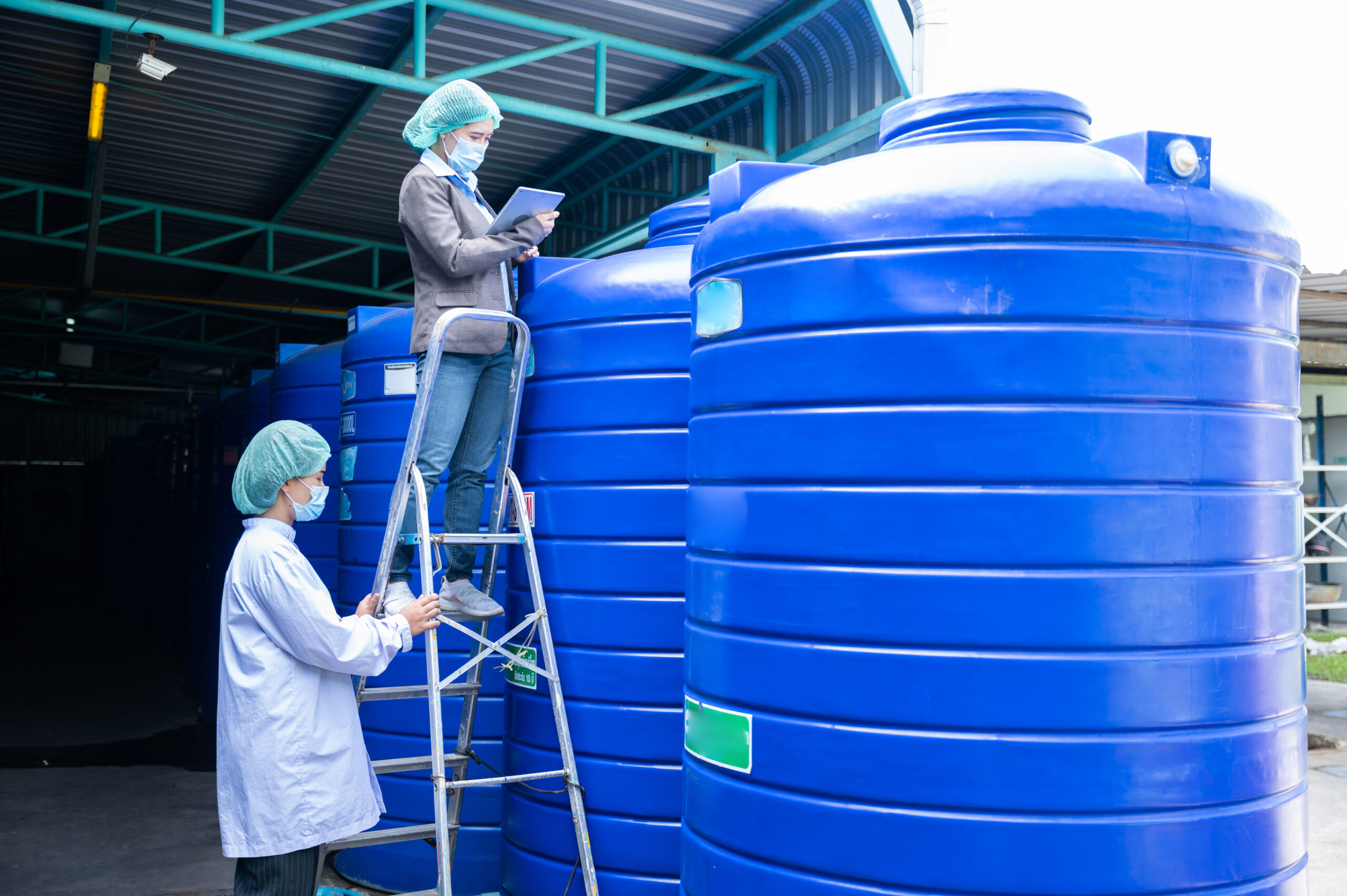
Table of Contents
Ask most homeowners when they last cleaned their water tank and you’ll get one of three answers. A shrug. An approximate year. Or a very confident “we have someone for that,” followed by a pause where they try to remember when that actually was.
The tank lives on the terrace or underground, fills when the municipality sends water, and keeps the taps running. Nobody sees it. Nobody thinks about it. And that’s exactly the problem.
Families blame the stomach upset on the dhaba. They blame the odd taste on the pipes. But a lot of the time, it starts in the tank.
Why Water Tank Cleaning Is More Urgent Than You Think
Here’s what’s happening inside a tank nobody has cleaned in over a year.
Sediment settles at the bottom. Dust particles, rust flakes from the inlet pipe, mineral deposits from hard water. They all accumulate slowly, but they do accumulate. In tanks sitting on terraces under a Tamil Nadu or Rajasthan summer, algae get comfortable on the interior walls. Bacteria find warm, still water completely hospitable and get to work.
You don’t see any of this when you pour a glass at the kitchen tap. But it’s there.
Families who’ve gone years without cleaning their overhead tank and then finally had it done describe what they found inside as something between a pond and a drain. The water looked fine. It didn’t smell particularly bad. But the inside of the tank told a very different story.
Routine water tank cleaning addresses this before it turns into a genuine health event. That’s the entire point of doing it on a schedule and not just when something smells obviously wrong.
How Often to Clean Your Water Tank: The Actual Answer
Twice a year.
India’s public health guidelines recommend it. Most plumbers and sanitation professionals working with residential installations will tell you the same thing. Once every six months. Mark it in your calendar, put a reminder on your phone, and don’t keep pushing it.
If you’ve been wondering how often to clean your water tank because you’ve heard different things from different people, six months is the standard for the average household. Some homes need to go more often. Almost nobody should stretch beyond that.
Underground sumps follow the same rule, though they tend to accumulate sediment faster than overhead tanks. They receive supply directly from the main line, often without any meaningful filtration at the inlet, and they don’t get much airflow or light. If your sump serves a large household and your municipal supply isn’t great quality, four months is a more honest target than six.
What Actually Changes Your Water Tank Cleaning Frequency
Not every home is dealing with the same situation, and the six-month rule shifts depending on things specific to your setup.
The single biggest variable is your supply quality. Cities with hard water, parts of Delhi, Bengaluru, large stretches of Rajasthan, see faster mineral buildup inside tanks than households with softer supply. Post-monsoon, many municipal lines carry higher turbidity for a period, and if your area sees seasonal dips in water quality, your water tank cleaning frequency should go up during those stretches.
Where the tank sits changes things too. A tank taking direct, all-day sun during peak summer isn’t just heating the water. Heat accelerates algae growth and bacterial activity. Tanks that let light through are more vulnerable than opaque ones. If yours gets full sun exposure and isn’t UV-stabilised, don’t push cleaning to six months.
Then there’s the turnover question, which most people don’t think about at all. A 2,000-litre tank serving a household of two cycles through very slowly. Water sitting still for three or four days develops quality issues much faster than water that refreshes daily. Large tank, small household, clean it more often, and try not to let it sit half-empty for extended periods.
And seriously, check the lid. A loose, cracked, or badly seated lid lets in dust, insects, and during the monsoon, whatever the rain drags across your terrace. It’s one of the more common contamination routes in Indian homes and one of the most easily fixed.
The Signs Your Tank Is Already Past Due
These aren’t things to note down and deal with next month. If any of these show up, clean the tank now.
Water with a yellowish or brownish cast coming out of the taps. A musty or stale smell that hits you when a bucket of water sits for a few minutes. Green colouration on the walls when you look inside with a torch. Fine dark sediment sitting at the base. Any slimy coating on interior surfaces.
And this one’s straightforward: if the water tank cleaning time gap at your home is past eight months, don’t wait for a visible sign to appear. The absence of anything obviously wrong doesn’t mean the tank is clean. It means you haven’t looked carefully enough yet.
Building an Actual Water Tank Maintenance Habit
Most households treat water tank maintenance as an event. Something that happens when someone finally gets around to it. That’s part of why tanks end up in such poor shape.
The more practical approach runs on two levels. Month to month, a ten-minute check: lid condition, inlet and overflow pipes, any visible exterior damage. That’s enough to catch small problems before they become contamination problems.
The actual clean, every six months or sooner, goes like this. Drain the tank completely. Scrub the interior walls and floor with a stiff-bristled brush and a mild, food-safe cleaning agent. Rinse multiple times. Then disinfect with a chlorine solution at around 50 ppm, let it sit for at least thirty minutes, rinse thoroughly, and refill.
Water tank cleaning for safe water doesn’t require specialist knowledge, but it does need to happen on schedule. For tanks over 1,000 litres, or underground sumps you can’t access yourself, book a professional cleaning service. They’ll do it properly and check for structural issues, cracked seals, or inlet problems while they’re at it.
What Sintex Tanks Do Between Your Cleaning Cycles
Cleaning schedule aside, the tank itself has a role to play in how quickly contamination builds between cleans.
The full Sintex range uses 100% virgin, food-grade plastic. Recycled or lower-grade plastic develops microscopic surface irregularities over time, and bacteria attach to those rough surfaces far more easily. Virgin material stays smoother and resists biofilm development better. It’s a foundation-level hygiene advantage that most people never think to ask about.
For rooftop installations dealing with peak summer heat, the TruPuf with PUF insulation keeps stored water measurably cooler. Bacterial growth slows in cooler water, so there’s a real hygiene benefit here beyond just keeping the water comfortable to drink.
Keep It Simple
How frequently should you clean your water tank? Twice a year works for most households. More often if your supply water is hard, if your tank gets strong sun, if your family is large and the tank isn’t, or if your area sees seasonal quality dips during the monsoon.
Don’t make it complicated. Put the dates in your calendar now, set a reminder two weeks before each one so you have time to book a professional if needed, and actually do it when the date comes around.
Your tank works for your household every single day. Twice a year is a reasonable ask in return.
Categories
Year
Related blogs