Why Antibacterial Water Tanks Matter for Indian Families?
Share
Table of Contents
Clean water storage is as important as a clean water supply. In Indian homes, stored water is used daily for drinking, cooking, bathing, and cleaning. If the storage system is not hygienic, water can become unsafe even after purification. This blog explains why antibacterial tanks are essential, how they protect family health, and what features matter while choosing a safe water storage solution. We also explain capacity selection, materials, and long-term water safety with reference to modern solutions like Sintex Pure Antimicrobial.
In most Indian homes, water is stored for long hours or even days before use. Even clean water can turn unsafe if the storage system allows bacteria, algae, or fungi to grow. This makes the role of a good-quality water tank extremely important.
At Sintex, we focus on water safety inside the tank, not just water quantity. An antibacterial tank helps protect families from invisible contamination that cannot be seen, sensed, or tasted.
Why Stored Water Needs Extra Protection
Stored water is exposed to several risk factors, such as:
Heat and sunlight
Dust and airborne germs
Organic residue from pipelines
Moist inner tank surfaces
Without protection, these conditions support microbial growth. This is why choosing the right water storage tanks for home is a health decision, not only an infrastructure one.
Common Problems in Traditional Water Storage
Many households still use ordinary tanks that lack antimicrobial protection. These tanks may develop:
Algae layers on the inner walls
Bacterial slime buildup
Fungal patches during the monsoon
Bad smell due to stagnation
Even frequent cleaning cannot fully prevent contamination. This is where an antibacterial overhead water tank becomes necessary.
What is an Antibacterial Water Tank?
An antibacterial tank is designed to reduce microbial growth inside stored water. It uses technology that actively limits the survival of bacteria and algae on internal surfaces.
Unlike normal tanks, these tanks help maintain water quality between cleaning cycles and during long storage periods.
How Antimicrobial Technology Works
Modern tanks use embedded antimicrobial systems instead of surface coatings.
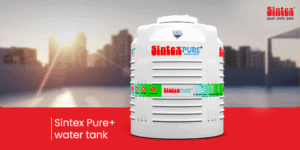
In Sintex Pure Antimicrobial, Active Silver Technology is integrated into the tank material itself. This provides continuous protection against:
Virus
Bacteria
Fungus
Algae
This protection remains effective throughout the life of the tank and does not wash away with water.
Importance of Safe Tank Material
Material quality plays a direct role in water safety. A good water tank should be made from:
One hundred per cent food-grade virgin plastic
Non-reactive surfaces
Chemical-free composition
ROHS-compliant material
These features prevent chemical leaching and make stored water safe for daily household use.
Capacity Selection for Indian Homes
Choosing the correct size improves efficiency and prevents stagnation. Common capacity ranges include:
Small families choose five hundred to one thousand litres
Medium households prefer two thousand to five thousand litres
Large homes may need ten thousand litres or more
Many families compare the 500-litre water tank price to the 10000-litre one based on usage, space, and water supply frequency. For villas and farmhouses, even a 10000-gallon water storage tank may be required.
Design Features That Improve Water Safety
A good antibacterial tank should include:
UV protection to block sunlight
Strong lid to avoid insects and dust
Multi-layer structure for durability
Smooth internal walls to reduce residue buildup
These design elements directly improve hygiene inside the tank.
Overhead vs Other Tank Types
Most Indian homes use overhead tanks due to gravity-based water flow. An overhead water tank with antimicrobial protection helps maintain safe water until the point of use.
Compared to alternatives such as stainless steel water storage tanks, plastic antimicrobial tanks offer:
Better heat resistance
Lower corrosion risk
No metallic taste
Easier installation
Lower maintenance
Why Indian Families Are Shifting to Antibacterial Tanks
Health awareness has increased across cities and towns. Families now focus on:
Preventing waterborne diseases
Reducing dependence on chemical cleaning
Ensuring child and elderly safety
Long-term hygiene assurance
This has changed how people evaluate which water tank is best for home use. Today, buyers look beyond price and actively search for the best water tank company in India with proven hygiene technology.
Comparison Table
Feature
Ordinary Tank
Antibacterial Tank
Microbial control
No protection
Active antimicrobial system
Algae resistance
Low
High
Water freshness
Reduces over time
Maintained longer
Cleaning frequency
High
Reduced
Material safety
Varies
Food-grade certified
Long-term hygiene
Limited
Consistent
Long-Term Water Safety Tips
To maintain clean water storage:
Clean the tank once every six months
Ensure inlet filters are intact
Keep the lid tightly closed
Avoid mixing borewell and tanker water
Check pipelines regularly
Even with the best tank, maintenance supports maximum hygiene.
Conclusion
Water quality depends not only on purification but also on safe storage. Ordinary tanks allow bacteria and algae to grow silently over time. Antibacterial tanks address this hidden risk directly.
By combining food-grade materials, UV protection, and antimicrobial innovation, Sintex Pure Antimicrobial supports healthier water storage for Indian homes.
Choosing the right water tank ensures protection for every family member, every day.
It prevents bacteria, fungus, and algae growth inside stored water and keeps water safer for daily use.
Yes. The technology is embedded in the plastic and remains active throughout the life of the tank.
Larger tanks require better protection because water remains stored for longer durations, increasing contamination risk.