
Table of Contents
Not all plastic is the same, and with a water tank that difference reaches the water you drink. Virgin plastic is fresh polymer, made straight from raw material and never used before. Recycled plastic is older plastic melted down and remoulded, often a mix of unknown sources. That single distinction is the heart of the difference between virgin plastic and recycled plastic, and it decides how safe, how strong, and how long a tank actually lasts.
This guide lays out five clear reasons a virgin plastic tank tends to win for drinking water, then weighs it honestly against recycled plastic on cost and use.

Key Takeaways
- Virgin plastic is raw, unused polymer; recycled plastic is reprocessed from older material.
- For drinking water, virgin plastic is the safer choice and the one that meets BIS IS 12701.
- Recycled plastic costs less and suits non-potable uses, but it can leach into stored water.
- Look past the price to certification, food-grade labelling, and warranty before buying.
What is 100% Virgin Plastic?
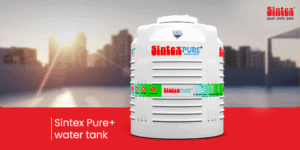
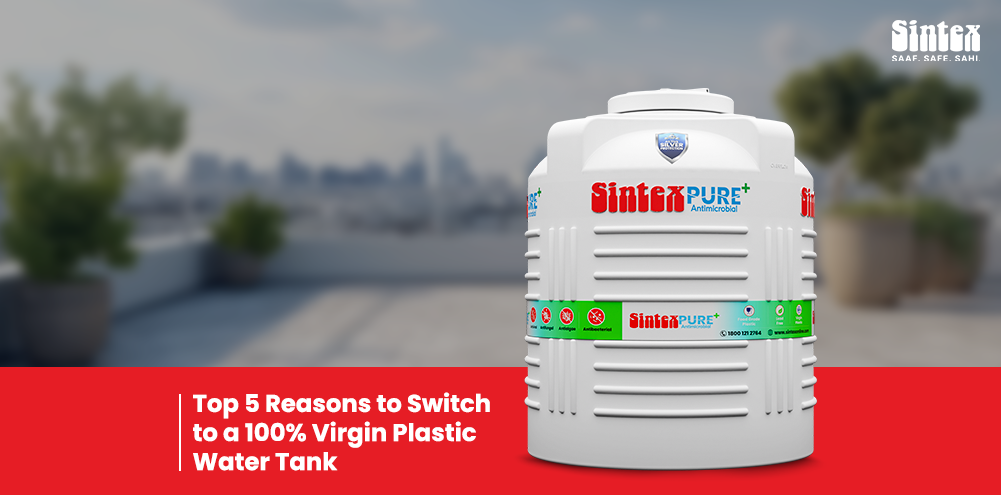
First, the definition. The virgin material plastic definition is simple: raw, unprocessed polymer that has never been used or reprocessed before. No impurities carried over, no residues from a past life, nothing mixed in. Tanks moulded from virgin plastic, like the Sintex Pure Plus Water Tank, hold a higher purity, which counts for a lot when the water inside is meant for drinking.
What is Recycled Plastic?
Recycled plastic is exactly what the name says: plastic that has already been used, then collected, cleaned, melted, and remoulded into something new. It might come from old containers, industrial offcuts, or post-consumer waste, and the exact mix is rarely consistent from one batch to the next.
For plenty of products, that is a good thing. Recycling keeps plastic out of landfill and leans on less raw material. The trouble starts with drinking water. Because the source material is mixed and previously used, recycled plastic can carry residues, dyes, or contaminants that were never meant to touch potable water, and heat and time can coax some of them out into whatever the tank holds.
It also tends to be weaker. Reprocessing shortens the polymer chains, so recycled plastic is usually more brittle and quicker to crack or fade than virgin material.
Safer for Health
Health is where virgin plastic pulls clearly ahead. Recycled tanks can hold residues or factory waste from their previous life, and over time those leach into the water sitting against the walls. Virgin plastic starts clean and stays clean. The Sintex Pure Plus Water Tank is moulded from 100% food-grade virgin plastic, so the water you drink, cook with, and wash up in stays free of that risk.
Whether you are fitting an overhead tank at home or a Sintex SMC panel tank in a healthcare setup, this is one feature you should not compromise on.
Long-Term Durability
You don’t change your water tank every year, nor should you. A tank has to stand up to the harsh Indian sun, shifting weather, and constant water pressure. Virgin plastic is tougher and more flexible than its recycled counterpart, so it won’t crack easily, warp under heat, or degrade over the years.
That’s why options like the 5,000-litre and 10,000-litre Sintex tanks come with a 15-year warranty. You buy once, and it has your back for years.
Antimicrobial Protection
Ever noticed a greenish film or slimy residue inside an old tank? That’s algae and bacteria building up, and it is far more common in ordinary tanks than people realise.
Sintex tackles this with the 4P Advantage: Anti-Virus, Anti-Bacteria, Anti-Fungus, and Anti-Algae protection, powered by Active Silver Technology. The Sintex Pure Plus and Sintex Pure Antimicrobial tanks are built to hold back microbial growth and keep stored water fresher for longer.
UV Resistance
UV rays heat a tank, encourage algae, and weaken the plastic itself. Most ordinary tanks fade, warp, or crack after a few summers.
Sintex tanks don’t. They come with UV-protected threaded lids and UV-stabilised layers that stop sunlight from reaching the water or the tank body. A 200-litre on a balcony or a 500-litre on the terrace, the quality holds up either way.
Compliant with Global Safety Standards
Not every tank on the market goes through serious quality checks. Sintex tanks follow RoHS European Standard compliance and meet BIS IS 12701, the Indian Standard for water storage tanks, so you are getting a tank tested against real benchmarks rather than a factory’s own word. That is why they are trusted across homes, schools, and health institutions nationwide.
Recycled Plastic vs Virgin Plastic Water Tanks
So how do the two compare when you put them side by side? Here is what to weigh up.
| Factor | Virgin Plastic Tank | Recycled Plastic Tank |
| BIS IS 12701 certification | Meets the standard, ISI marked | Often fails to qualify, rarely ISI marked |
| Food-grade labelling | Clearly marked food-grade | Usually absent or vague |
| Odour test | Little to no plastic smell | Noticeable chemical or stale odour, worse when warm |
| Weight-to-capacity ratio | Consistent wall thickness and weight for its size | Often lighter or uneven, a sign of thin or mixed material |
| Durability | Resists cracking, warping, and fading for years | More brittle, fades and cracks sooner |
| Pricing | Higher upfront, lower cost over its life | Cheaper to buy, more to replace and maintain |
On the cost of recycled plastic vs virgin plastic, recycled looks cheaper on the shelf. Over the years, though, the virgin plastic vs recycled plastic price gap narrows and often flips, since a recycled tank tends to need replacing sooner. A quick way to judge in person: lift it for weight, look for the ISI mark and food-grade label, and open the lid for any chemical smell.
Final Thoughts
For drinking water, material purity is not optional. Virgin plastic is the only material that reliably meets BIS IS 12701 and FDA food-grade standards, which is why it belongs on any tank holding water you drink. Recycled plastic still earns its place in non-potable uses like irrigation and industrial storage, where lower cost and a lighter footprint count. For potable water, a virgin-plastic tank like the Sintex Pure Plus, with its 15-year warranty, is built to keep it safe.
Generally, no. Recycled plastic is made from mixed, previously used material that can carry residues and contaminants, and these may leach into stored water over time. For drinking water, a food-grade virgin plastic tank certified to BIS IS 12701 is the safe choice. Recycled plastic is better kept to non-potable uses.
Because it is made from fresh raw polymer rather than reprocessed scrap, which costs more to produce. You are also paying for consistent quality, food-grade purity, and a longer service life. The cost of recycled plastic vs virgin plastic looks lower upfront, but virgin tanks usually work out cheaper across their full lifespan.
A well-made virgin plastic tank commonly lasts 15 years or more, which is why many carry warranties that long. Recycled plastic tanks tend to turn brittle, fade, and crack far sooner, often within a few years under the Indian sun, because reprocessing weakens the polymer.
Check for an ISI mark to BIS IS 12701 and a clear food-grade label, both of which recycled tanks usually lack. A virgin plastic tank also feels solid for its size and has little to no chemical smell inside. If the price seems unusually low, treat that as a warning sign.
The key one is ISI certification to BIS IS 12701, the Indian Standard for rotational-moulded polyethylene water storage tanks. Food-grade certification, and for global benchmarks FDA or RoHS compliance, add further assurance. Together they confirm the tank was tested for safe potable storage, not just made to an internal spec.
Sintex Pure Plus and its food-grade water tank range are made from 100% virgin plastic for safe drinking water storage, with the focus on certified, food-grade material rather than recycled feedstock. For the exact specification of any model, check the product details on the Sintex water tanks page.